What to eat after a tooth extraction

Soft foods can make meals more comfortable after an extraction. Choose foods and return to your usual diet according to the team’s instructions and your comfort.
Important
This article provides general information and does not replace an individual consultation, diagnosis or treatment from a dentist or another healthcare professional. If you have symptoms, seek advice appropriate to your situation. Do not change a treatment based solely on this content.
Avoid disturbing the operated area and follow the restrictions received. Increasing pain or difficulty drinking requires contact with the office.
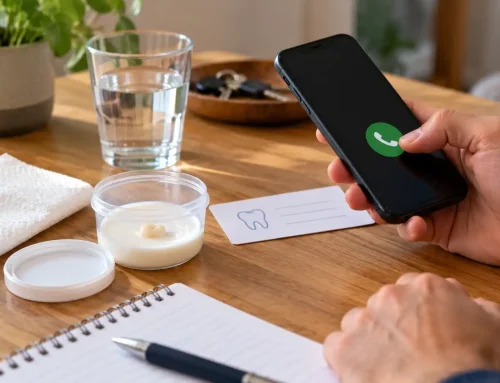
Providing a few simple meals before the appointment avoids having to improvise when you’re tired. Adapted textures make the first meals more comfortable.
Protecting the area while eating enough
After extraction, the clot participates in the healing of the tooth socket. Meals should limit the constraints on this area, while allowing drinking and eating. As long as the anesthesia works, the temperature and accidental bites of the lip or tongue require special attention.
Follow the recovery time indicated by the dental practice. Soft, lukewarm or fresh foods are usually easier at first. Avoid very hot products and hard or crumbly textures that hinder the area. Needs change depending on the number of teeth removed and the ease of opening the mouth.
Practical ideas for planning meals
A puree, scrambled eggs, yogurt or cooled soup can be options, depending on your habits and dietary constraints. Assemble meals that remain nourishing, rather than limiting yourself to sugary drinks for several days. Adjust the consistency to what you can eat without straining.
Prepare small portions and take your time. If chewing on the opposite side is possible and in accordance with the instructions, this may limit the strain on the wound. The goal is not to use a list of foods to miraculously speed up healing, but to maintain intakes with less discomfort.
Returning to usual foods without disturbing the wound
The resumption of firmer textures is done according to comfort and instructions, with no identical date for all. If a food seems stuck, do not try to extract it with an object, fingers or vigorous rinses. Ask how to maintain the area and from when.
The first instructions often include protecting the wound from rinsing and spitting for the first 24 hours. The protocol given to the dental practice remains your reference. Difficulty drinking enough, worsening pain, or persistent bleeding require contact. Planning meals and the number of the office before the intervention reduces difficult decisions when you are still uncomfortable.
Planning meals for the first few days
Ask what you can eat on the day of treatment, especially if anesthesia is still active. Plan preparations whose texture suits the recommendations received and your dietary needs.
Healing is not just about the consistency of food. The gestures and restrictions must be specified when preparing the extraction. Avoid trying to clean the wound by touching it.
Don’t take a major embarrassment for a challenge to overcome. If you’re worried about evolution, describe it to the team. The article on abnormal sequels after extraction helps you prepare for this call.
Frequently asked questions
Key takeaways
Prepare simple meals and follow the instructions of your intervention. The recovery should remain comfortable and not disturb the area. Prepare food whose texture and temperature respect the instructions received, then adapt the recovery to your comfort and the intervention carried out. The goal is to feed you without disturbing the operated area or its clot. Don’t turn the first few hours into a universal calendar found online. Make clear the restrictions and what to do if you are unable to drink or eat. Increasing pain deserves contact with the team.
 Numa Costa
The pen name under which I write articles and develop my editorial websites. Curious by nature, I like to understand how things work, explore everyday questions and make information easier to understand and use.
→ More about the author