Tooth extraction: how to prepare for your appointment

Preparing an extraction is to transmit useful medical information and to understand the instructions adapted to the care. The organization depends in particular on the planned anesthesia.
Important
This article provides general information and does not replace an individual consultation, diagnosis or treatment from a dentist or another healthcare professional. If you have symptoms, seek advice appropriate to your situation. Do not change a treatment based solely on this content.
Do not change your medication or go fasting without instructions from the team. Ask for explicit instructions before the day of treatment.
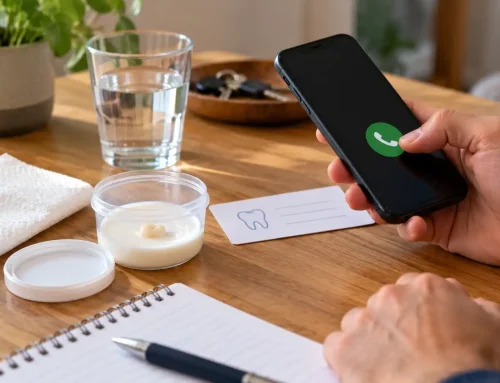
The appointment often seems simpler when the practical questions have an answer: how to come, how to leave and who to reach in the evening if something worries you?
Understanding why the tooth needs removing
Before the procedure, specify what makes the extraction necessary: tooth not restoreable, infection, position problem or other indication established on the assessment. Ask if conservation options exist and why they are not being retained. The decision should be about your tooth, not a general rule.
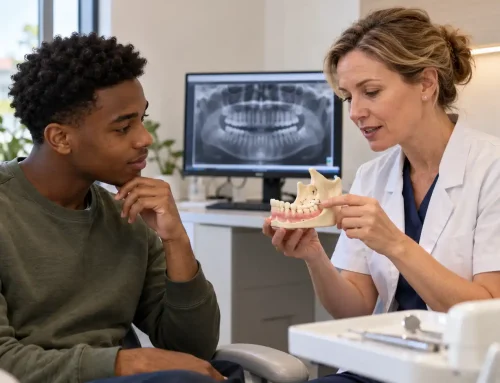
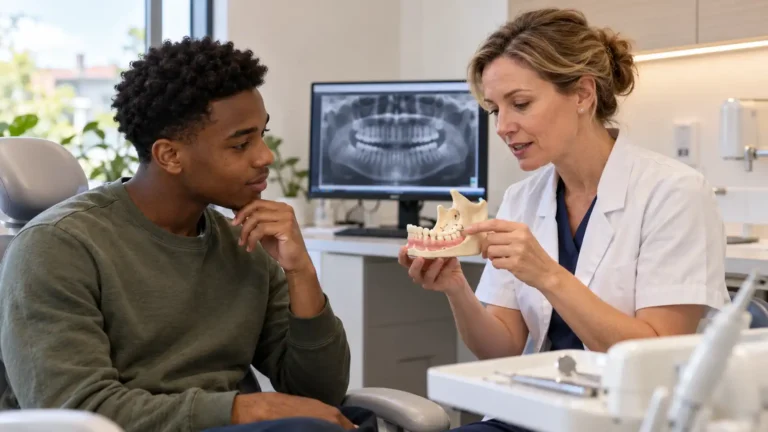
The examination and relevant images help the dentist assess the roots and nearby structures. A straightforward extraction and an impacted tooth do not always require the same procedure. Depending on the situation, the dentist may need to open the gum, divide the tooth or place stitches. They will explain the relevant risks before treatment.
Clarifying anaesthesia and medicines before the day
Under local anesthesia, you may feel pressure or movement without having to endure sharp pain. Agree on a signal to signal it. Sedation or general anesthesia changes the organization, including meal instructions, accompaniment and homecoming.
Bring a complete list of your treatments, allergies and history. Anticoagulants and some bone treatments deserve to be known. Their management is decided with the professionals; do not interrupt them yourself. Do not apply a fasting instruction found for another anesthesia to your own appointment.
Preparing for the first hours at home
Organize easy-to-eat foods, prescribed products, and a way to join the team. Ask for a sheet explaining the protection of the clot, the cleaning and the signs that require a call. Smoking, straining, and wound manipulation can complicate healing; restrictions need to be specified.
Also check the consequences on work, travel and driving if sedation is planned. A person who accompanies you must know the essential instructions. Before leaving the office, you should know how to manage bleeding according to the instructions received, what medication to take if necessary and who to contact if the pain or swelling becomes unusual.
Leaving with written aftercare instructions
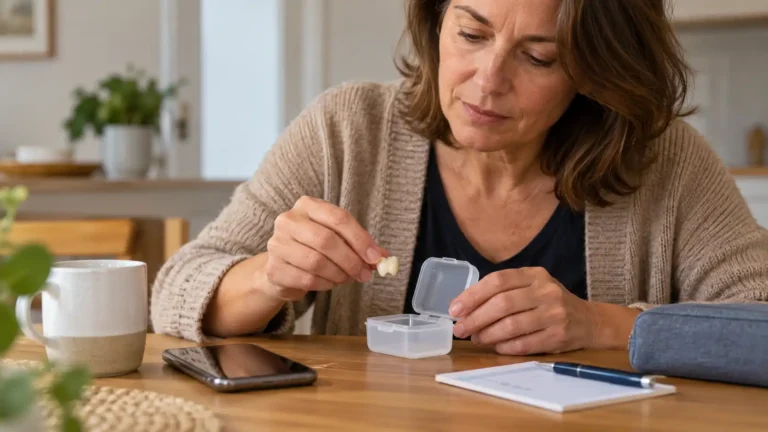
Bring a list of your treatments, allergies and history. Ask why the tooth needs to be removed and what alternatives have been evaluated. An extraction is not necessarily the next step in any canal processing.
Specify the planned anesthesia, the possible presence of a companion and the constraints of return. The fear of the dentist can also be addressed before the procedure, without waiting to be installed.
Ask for a written form that specifies the expected follow-up, food, hygiene, prescribed treatments and the number to call. You will be able to reread the information in peace.
When it comes to a wisdom tooth, first make it clear why its extraction is proposed.
Frequently asked questions
Key takeaways
A useful preparation brings together your medical information and clear practical instructions. Do not change your usual treatment alone. Preparing an extraction is to transmit useful medical information and obtain instructions adapted to the intervention. Ask how anesthesia works, if there are any conditions to eat or drink before treatment, and how to arrange your journey home. Do not change a medicine alone and do not decide spontaneously to fast. Anticipate the meals, documents and contact to be used after the appointment. Written instructions make it possible to find the markers once you return home.
Sources
Cleveland Clinic — Tooth Extraction (2025).
University College London Hospitals NHS — Dental extractions post operative instructions (2025).
Last editorial review: October 2026
 Numa Costa
The pen name under which I write articles and develop my editorial websites. Curious by nature, I like to understand how things work, explore everyday questions and make information easier to understand and use.
→ More about the author