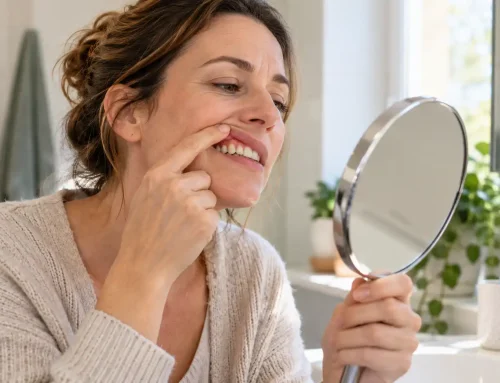
Gingivitis and periodontitis: what is the difference?

Gingivitis is inflammation of the gums. Periodontitis also affects the tissues that support the teeth and can lead to bone loss.
Important
This article provides general information and does not replace an individual consultation, diagnosis or treatment from a dentist or another healthcare professional. If you have symptoms, seek advice appropriate to your situation. Do not change a treatment based solely on this content.
A tooth that moves or persistent bleeding requires consultation. The appearance of the smile is not enough to exclude periodontal disease.
These two words are similar and are sometimes used as if they were interchangeable. Understanding what separates them above all makes it possible to better follow the explanations given to the dental practice.
Gum inflammation or loss of tooth support?
Gingivitis affects the gums. It can manifest as redness, swelling or bleeding. When bound to the plaque, proper cleaning and removal of deposits by a professional usually helps control inflammation.
Periodontitis affects the tissues that hold the tooth: it is accompanied by a loss of attachment and can affect the bone. This difference is essential. Removing the redness is not the same as rebuilding all the lost support. The treatment seeks to control the disease and preserve the teeth, with a follow-up over time.
Why assessment brings several findings together
The examination measures the spaces around each tooth and records bleeding. The dentist also checks gum recession, tooth mobility, deposits and any X-rays needed to assess the bone. A single measurement or photograph cannot establish the whole picture.
Gums that look normal in the mirror can hide disease under its surface. Conversely, a visible root is not automatically evidence of periodontitis. The assessment gathers these observations to clarify the cause, extent and treatment needs.
What changes for follow-up
Smoking, diabetes and history should be known, as they can influence risk and response to care. They alone cannot predict the fate of a tooth. The quality of the cleaning at home and the regularity of the assessments remain important elements of the course.
After the diagnosis, ask what teeth or areas are affected, what will be treated and how the evolution will be measured. Follow-up can compare bleeding, pocket depths, and other signs, rather than being limited to the pain felt. A mildly painful illness may require significant care; the absence of discomfort should not become the only criterion for spacing appointments.
Understanding your gum assessment
Examination of the gums and measurement of the pockets around the teeth help assess their support. X-rays can complete the assessment as needed. Bleeding on brushing is a signal, not a diagnosis on its own.
The treatment of periodontitis aims to control the disease and preserve the remaining support. An improvement in bleeding therefore does not allow to abandon the planned check-ups.
Ask: “Is it only the gum that is inflammatory, or is the support of my teeth affected?” An understandable report will help you more than an accumulation of technical terms.
Frequently asked questions
Key takeaways
The word used must correspond to the affected tissues. Have the diagnosis and follow-up explained, rather than relying on pain. Gingivitis involves inflammation of the gums; periodontitis also affects the tissues that support the teeth. The difference therefore depends on the examination, and not only on the pain or the appearance of the smile. Explain the results of the assessment, the areas concerned and the objectives of the follow-up. Persistent mobility or bleeding is worth a visit. Understanding the diagnosis helps to organize daily care and gestures, without assuming that all gum problems follow the same path.
Sources
 Numa Costa
The pen name under which I write articles and develop my editorial websites. Curious by nature, I like to understand how things work, explore everyday questions and make information easier to understand and use.
→ More about the author